
Reported by Watch World Media
OLYMPIA, WASHINGTON — Washington State is facing a long-running law enforcement staffing shortage that continues to fuel political debate over public safety policies, recruitment standards, and immigration-related legislation.
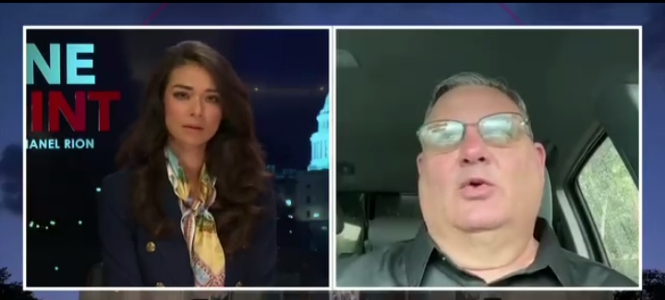
Retired law enforcement officer Carl Puccio, who served 42 years combined in Washington and Florida, has publicly criticized recent Democratic-led policies in the state, arguing that they have contributed to officer attrition and weakened recruitment efforts.
His comments, featured in a segment aired by One America News Network (OANN), come as Washington continues to rank among the lowest in the nation for law enforcement staffing levels per capita.
A Deepening Staffing Shortage
According to recent 2025–2026 staffing data, Washington maintains approximately 1.37 officers per 1,000 residents—well below the national average of roughly 2.3. The state has ranked near the bottom nationally for over 15 years when adjusted for population.

Although officials reported a modest net increase of officers in recent hiring cycles, population growth has outpaced recruitment, effectively worsening the per-capita shortage.
The Washington Council of Police & Sheriffs (WACOPS) has described the situation as a “historic crisis,” citing recruitment challenges, burnout, and difficulty retaining experienced officers.
Puccio and other critics argue that reforms enacted since 2020, combined with shifting political attitudes toward policing, have discouraged recruitment and prompted experienced officers to leave the profession or relocate to other states.
Debate Over Senate Bill 5068
A central point of controversy is ****, signed into law in March 2026 by Governor .
The legislation expands eligibility for certain public safety positions to individuals legally authorized to work in the United States, including refugees, asylees, Temporary Protected Status holders, and DACA recipients.
Supporters Say Expansion Helps Staffing
Supporters, including the Washington Association of Sheriffs and Police Chiefs (WASPC), argue the measure is a practical response to staffing shortages. They maintain that non-citizen applicants must still meet strict requirements, including background checks, psychological evaluations, polygraph testing, and full training standards.
They also emphasize that the law does not force agencies to hire non-citizens over U.S. citizens, but rather expands the available hiring pool.
Critics Raise Public Safety Concerns
Opponents of the legislation, including some Republican lawmakers and law enforcement figures, argue that expanding eligibility raises concerns about granting law enforcement authority—including arrest powers and firearm access—to non-citizens.
Some local sheriffs, such as Pierce County Sheriff Keith Swank, have publicly stated they would not hire non-citizens for deputy positions under their command.
Amendments to the bill reportedly preserved citizenship requirements for certain general authority police roles, while focusing expanded eligibility more on corrections, fire services, and selected prosecutorial support positions.
Sanctuary Policy Context
The debate is further shaped by Washington’s long-standing Keep Washington Working Act, which limits cooperation between local law enforcement and federal immigration authorities such as ICE in civil immigration matters.
Supporters of the law argue it strengthens trust between immigrant communities and police agencies. Critics contend it restricts law enforcement flexibility and contributes to broader concerns about public safety priorities.
A State at the Center of a National Debate
Washington’s staffing crisis reflects a nationwide challenge in law enforcement recruitment following shifts in policing policy, public scrutiny, and workforce burnout. However, the state’s progressive policy direction has made it a focal point in the national debate over policing standards and immigration-related reforms.
State officials and police associations continue to promote recruitment incentives and expanded eligibility as part of broader efforts to stabilize staffing levels. Critics, meanwhile, argue that deeper policy reversals are needed to restore officer retention.
Ongoing Outlook
As Washington continues to grapple with staffing shortages, lawmakers face competing pressures: addressing urgent public safety needs while maintaining broader policy commitments on immigration and criminal justice reform.
For now, the debate remains unresolved, with both sides agreeing on one point—the state’s law enforcement system is under significant strain.
Reporting from Olympia, Washington, this is Watch World Media.
Watch World Media will continue bringing you national updates on public safety, policing, and policy developments across the United States.