
By Watch World Media | June 6, 2026
The United States military says it successfully intercepted multiple Iranian ballistic missiles and attack drones launched toward the Strait of Hormuz and neighboring Gulf states, marking the latest escalation in an increasingly fragile standoff between Washington and Tehran.
According to the U.S. Central Command (CENTCOM), Iranian forces launched four one-way attack drones toward the Strait of Hormuz, one of the world’s most strategically important maritime corridors and a vital route for global energy shipments.
CENTCOM stated that all four drones were shot down before reaching their intended targets, describing the aircraft as an “immediate threat to regional maritime traffic.”
U.S. Strikes Iranian Radar Sites
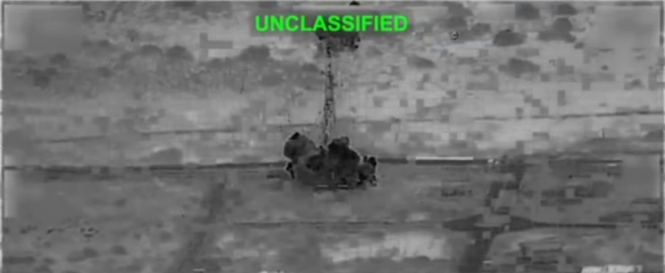
Following the drone interceptions, American forces carried out what CENTCOM described as self-defense strikes against Iranian coastal surveillance radar facilities located in Goruk on Iran’s southern mainland and on Qeshm Island near the Strait of Hormuz.
U.S. officials said the strikes were intended to reduce Iran’s ability to threaten commercial shipping and conduct further attacks in the region. CENTCOM emphasized that the operation was defensive in nature and aimed at protecting maritime security.
Iran Responds With Missile Launches
Hours after the U.S. strikes, Iran launched seven ballistic missiles toward Kuwait and Bahrain, both key U.S. security partners in the Gulf.
CENTCOM reported that six of the missiles were intercepted by air defense systems, while the seventh failed to reach its intended target. U.S. officials stated that there were no reported injuries to American personnel and no confirmed damage to U.S. military facilities.
The U.S. military also rejected Iranian claims that the headquarters of the U.S. Fifth Fleet in Bahrain had been damaged, describing those reports as false.
Regional Governments Condemn Attacks
Authorities in Kuwait and Bahrain condemned the missile launches, while regional governments continue monitoring developments closely amid concerns that further escalation could threaten energy infrastructure, commercial shipping, and regional stability.
The Strait of Hormuz remains one of the world’s most important maritime chokepoints, handling a substantial portion of global oil exports. Any disruption to traffic through the waterway has the potential to affect international energy markets and global trade.
Fragile Ceasefire Under Pressure
The latest exchange of fire comes despite ongoing diplomatic efforts aimed at preserving a ceasefire framework established earlier this year.
Analysts warn that repeated military exchanges risk undermining negotiations and increasing the possibility of a broader regional confrontation involving Gulf states, Iran, and U.S. forces stationed throughout the Middle East.
While both sides have characterized their actions as defensive, the rapid cycle of drone launches, missile attacks, and retaliatory strikes highlights the continued volatility of the Gulf security environment.
As of publication, no major escalation into full-scale conflict has been reported, though military forces across the region remain on heightened alert.
Watch World Media will continue to monitor developments and provide updates as more information becomes available.