
Reported by Watch World Media
SALEM, OREGON — A controversial animal rights proposal in Oregon is drawing growing national attention after organizers submitted enough signatures to potentially place the measure before voters in the November 2026 election.
The initiative, known as the PEACE Act — short for People for the Elimination of Animal Cruelty Exemptions — would significantly expand Oregon’s animal cruelty laws by removing many longstanding exemptions related to hunting, fishing, trapping, livestock practices, rodeos, and certain forms of animal-based research.
Supporters say the proposal is aimed at extending stronger protections to animals, while critics warn it could fundamentally reshape Oregon’s agricultural, outdoor recreation, and wildlife management systems.
Petition Gains Momentum
Backers of the proposal, formally identified as Initiative Petition 28 (IP28), submitted more than 126,000 signatures to the in late May 2026.
The initiative requires 117,173 valid signatures to qualify for the statewide ballot by the July 2 deadline.
State officials are currently verifying signatures, but organizers have already surpassed the raw numerical threshold required for consideration.
If certified, Oregon voters would decide the measure during the November 2026 general election.
What the PEACE Act Would Change
The proposal seeks to remove legal exemptions that currently shield a wide range of activities from animal cruelty prosecution under Oregon law.
Critics argue that, if enacted broadly, the measure could affect:
- Hunting and recreational fishing
- Commercial livestock operations
- Rodeos and animal competitions
- Trapping practices
- Wildlife population management programs
- Some scientific and agricultural activities involving animals
The initiative would reportedly allow limited exemptions for veterinary care and self-defense situations.
Supporters say the goal is to modernize animal welfare laws and apply protections more consistently across species.
Opposition Builds Across Rural Oregon
The proposal has generated strong opposition from hunting organizations, ranchers, agricultural groups, and rural communities throughout the state.
Critics warn the measure could:
- Damage Oregon’s agricultural economy
- Threaten outdoor recreation industries
- Disrupt wildlife conservation and population management
- Affect tribal traditions and treaty rights
- Reduce state revenues connected to hunting and fishing licenses
Groups opposing the initiative include hunting associations, farming organizations, and Second Amendment advocacy groups preparing legal and political challenges if the measure qualifies.
Opponents argue regulated hunting and fishing are already heavily managed through conservation systems and licensing structures designed to balance ecological sustainability and public safety.
Public Debate Intensifies
The controversy has also spilled into media and online commentary.
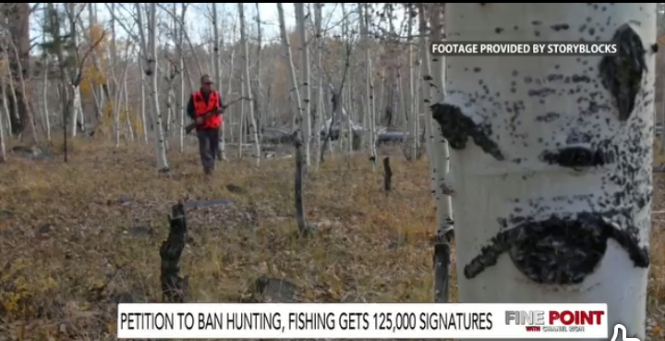
recently discussed the initiative in a widely shared segment, questioning whether Oregon voters truly support restrictions on hunting and fishing traditions deeply tied to the state’s rural culture and economy.
The debate has increasingly reflected broader tensions between Oregon’s progressive urban centers — including Portland and Eugene — and the state’s more conservative rural and coastal regions.
Supporters Defend the Measure
Supporters of the PEACE Act argue the proposal represents an ethical modernization of animal welfare standards.
Advocates say current laws create inconsistent treatment between companion animals and other vertebrate species, allowing practices they consider unnecessarily cruel.
The campaign also promotes a proposed “Humane Transition Fund,” intended to support workers and industries potentially affected by changes in animal-related practices.
Animal rights organizations and activists backing the measure argue that public attitudes toward animal welfare continue evolving and that stronger protections are increasingly supported nationwide.
Economic and Cultural Stakes
The outcome of the initiative could carry major implications for Oregon’s economy and identity.
Hunting, fishing, agriculture, and outdoor recreation contribute billions of dollars annually to the state economy and remain deeply rooted in many communities across the Pacific Northwest.
At the same time, animal welfare activism has gained visibility nationally, creating growing political battles over food systems, wildlife policy, and ethical treatment standards.
Looking Ahead
As signature verification continues, both supporters and opponents are preparing for what could become one of Oregon’s most contentious ballot fights in years.
If the measure officially qualifies, voters will ultimately decide whether the state should dramatically redefine its animal cruelty laws — a decision that could reverberate far beyond Oregon and influence similar debates across the United States.
Reporting from Salem, Oregon, this is Watch World Media.
Watch World Media will continue bringing coverage on major ballot initiatives, cultural debates, and the policy battles shaping communities across America.