


By Watch World Media – WWM
Beneath the rolling limestone hills of northern England lies one of the most remarkable natural wonders in the United Kingdom: Lancaster Hole. To casual visitors, it appears little more than a concealed opening among scattered limestone boulders on Casterton Fell. Yet below this modest entrance stretches an immense labyrinth of caves, underground rivers, towering chambers, and geological formations that have fascinated explorers, scientists, and adventurers for decades.
Often described as the gateway to Britain’s largest and most complex cave network, Lancaster Hole occupies a special place in the history of modern cave exploration.
A Discovery That Changed British Caving
Lancaster Hole was discovered on September 29, 1946, by cavers George Cornes and Bill Taylor while exploring Casterton Fell in what is now Cumbria, England. What initially appeared to be a small draught-emitting opening in the limestone landscape soon revealed itself to be something extraordinary.
Upon investigation, explorers found a dramatic vertical shaft descending approximately 33 metres (110 feet) into the darkness below. This discovery opened access to a vast underground system that would eventually become known as the Ease Gill Cave System.
The significance of the find quickly became apparent. Early explorations revealed extensive passages, underground streams, and large chambers extending far beyond anything initially imagined. Over subsequent decades, cavers connected numerous previously isolated cave systems, transforming understanding of the region’s subterranean geography.
The Entrance to a Giant Underground Network
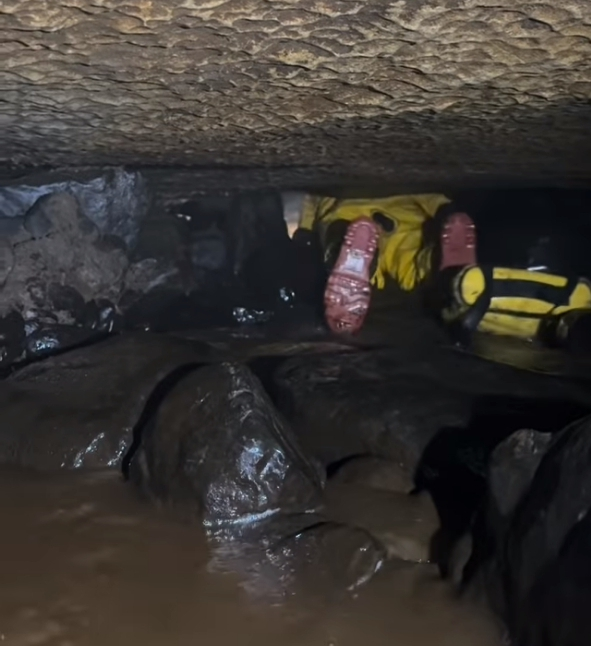
Today, Lancaster Hole serves as one of the principal entrances to the Ease Gill Cave System, often referred to as part of the Three Counties System because it extends beneath Cumbria, Lancashire, and North Yorkshire.
The cave network contains tens of kilometres of mapped passages and remains the longest and most complex cave system in Britain. New discoveries continue to expand scientific understanding of the underground landscape.
Unlike many famous caves that feature spectacular surface openings, Lancaster Hole is surprisingly discreet. The entrance is hidden among limestone boulders and protected by a metal cover. What appears unremarkable on the surface conceals an underground world of immense scale and complexity.
A Geological Masterpiece
The caves beneath Lancaster Hole were formed over millions of years through the gradual dissolution of limestone by slightly acidic rainwater and groundwater.
As water seeped through cracks in the rock, it slowly widened them into tunnels and chambers. Over geological time, these passages expanded into an extensive karst system featuring underground rivers, vertical shafts, canyons, and vast caverns.
Scientists regard the Ease Gill system as one of Britain’s finest examples of limestone cave development. Some passages reach impressive dimensions, while others remain narrow and challenging, requiring advanced caving skills to navigate.
The underground environment contains evidence of multiple geological eras, allowing researchers to study ancient drainage systems, climate history, and landscape evolution.
Beauty Beneath the Earth
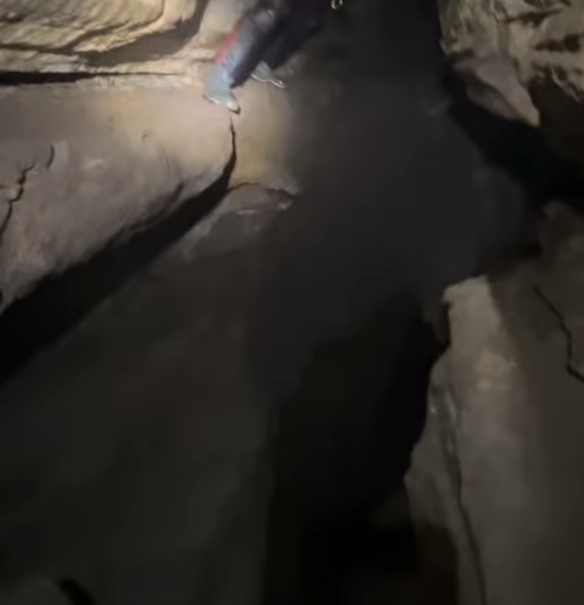
Those fortunate enough to enter the system encounter a hidden world unlike anything visible on the surface.
Large fossil passages, sculpted by ancient underground rivers, stretch through the limestone. Deep canyons cut through the rock where active watercourses continue to shape the cave. In some chambers, mineral-rich water has created delicate calcite formations that decorate walls and ceilings with intricate patterns.
Experienced cavers frequently describe sections of the system as among the most beautiful underground environments in Britain. The combination of scale, geological variety, and natural decoration makes Lancaster Hole a destination of international significance within the caving community.
Exploration and Adventure
Lancaster Hole has long been a proving ground for cave explorers.
The cave’s entrance shaft requires rope techniques and specialized equipment, making it suitable only for trained cavers. Once underground, explorers can access an extensive network of routes ranging from relatively straightforward passages to highly complex expeditions.
Because the cave connects to such a large system, trips can vary dramatically in length and difficulty. Some journeys involve traversing underground streams, climbing through chambers, navigating maze-like passages, and passing through areas that remain challenging even for experienced teams.
The complexity of the network has contributed to its reputation as one of Britain’s premier caving destinations.
Dangers Beneath the Surface
Despite its beauty, Lancaster Hole presents significant hazards.
The greatest threat is flooding. During periods of heavy rainfall, underground water levels can rise rapidly, transforming normally accessible passages into dangerous traps. Entire sections of the system can become flooded, cutting off escape routes and creating life-threatening conditions.
Navigation is another challenge. The vast network contains numerous interconnected passages, and even experienced cavers rely on detailed surveys, route knowledge, and careful planning.
For these reasons, Lancaster Hole is not considered a tourist cave. Entry requires appropriate training, equipment, and understanding of cave safety procedures.
Scientific Importance
Beyond adventure and exploration, Lancaster Hole has substantial scientific value.
Geologists study the cave system to better understand karst landscapes and groundwater movement. Hydrologists examine how water flows through the underground network, while environmental researchers monitor cave ecosystems and geological processes.
The system also provides insight into the long-term evolution of Britain’s limestone regions. Every new survey and discovery contributes valuable information to the scientific record.
A Legacy in British Caving
Few cave entrances in the United Kingdom have had as much influence on underground exploration as Lancaster Hole.
Its discovery in 1946 sparked decades of exploration that ultimately helped reveal one of the largest cave networks in Europe. The cave became a focal point for British speleology and played a major role in advancing understanding of subterranean landscapes.
Today, Lancaster Hole remains a symbol of discovery, scientific curiosity, and human exploration. Hidden beneath the quiet hills of northern England, it continues to inspire cavers, researchers, and adventurers who seek to uncover the mysteries of the world below.
Conclusion
Lancaster Hole is far more than a cave entrance. It is the gateway to a vast underground realm that showcases the power of geology, the spirit of exploration, and the enduring fascination of the unknown.
More than seventy years after its discovery, the cave continues to reveal new secrets, reminding us that even in a thoroughly mapped modern world, remarkable frontiers still exist beneath our feet.
Watch World Media – WWM