
By Watch World Media | June 6, 2026
A proposal emerging from Germany’s state media regulators has ignited a growing debate over free speech, government influence, and the future of online information.
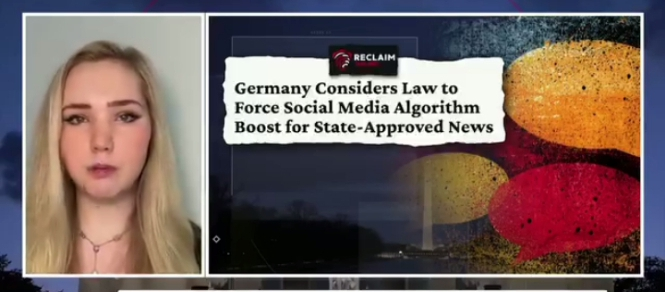
According to reports based on leaked planning documents, German regulators are considering a framework that would encourage major social media platforms to give greater visibility to media outlets classified as “trusted,” “reliable,” or serving the public interest.
Supporters say the proposal would help combat disinformation and strengthen professional journalism. Critics argue it risks creating a system where government-approved narratives receive preferential treatment while independent voices struggle to reach audiences.
What the Proposal Would Do
The plan, reportedly being discussed as part of a future digital media regulatory framework, would affect how recommendation algorithms operate on major social media platforms including Facebook, Instagram, TikTok, X, and YouTube.
Rather than focusing solely on removing illegal content, the proposal would seek to increase the prominence of selected news organizations in users’ feeds.
Regulators argue that algorithm-driven platforms often reward emotionally charged, sensational, or polarizing content because it generates higher engagement. By elevating established journalistic sources, supporters believe users would gain greater access to accurate and reliable information.
The proposal remains under discussion and has not yet been formally adopted.
Who Determines What Is “Trusted”?
One of the most controversial aspects of the proposal concerns who would decide which organizations qualify for preferential treatment.
Germany’s state media authorities would reportedly develop criteria for identifying outlets that meet standards related to journalistic practices, reliability, public value, and editorial responsibility.
Critics argue that allowing government-linked regulatory bodies to influence which media organizations receive algorithmic advantages could create concerns about fairness and viewpoint diversity.
Supporters counter that objective standards already exist within professional journalism and that promoting credible reporting strengthens democratic discourse.
Naomi Seibt Raises Concerns
Among the proposal’s most vocal critics is German political activist Naomi Seibt.
has argued that the initiative could amount to a form of narrative management, where citizens are increasingly directed toward information sources favored by authorities.
She contends that while the proposal may not involve direct censorship, altering recommendation systems could still shape public opinion by determining which viewpoints receive the greatest exposure.
Seibt has frequently criticized Germany’s speech regulations and online content policies, describing them as increasingly restrictive toward dissenting opinions.
Part of a Broader European Trend
The debate arrives amid broader efforts across Europe to address concerns about misinformation, foreign influence campaigns, and the role of social media in shaping public opinion.
Recent European regulations, including the , have expanded requirements for large online platforms regarding content moderation, transparency, and risk management.
Supporters of stronger regulation argue that democracies face legitimate threats from coordinated disinformation campaigns, foreign interference, and the rapid spread of false information online.
Critics warn that efforts to combat misinformation can sometimes blur into the regulation of lawful speech and unpopular opinions.
A Growing Global Debate
The controversy reflects a larger international discussion about who should shape the flow of information in the digital age.
Governments increasingly seek ways to limit harmful content and disinformation, while free speech advocates caution against allowing state institutions to influence what citizens see, read, and discuss online.
The central question remains unresolved: how can societies encourage accurate information without granting excessive power over public discourse to governments, regulators, or technology companies?
As Germany continues evaluating the proposal, the outcome could have implications far beyond its borders, influencing debates about online speech, media trust, and algorithmic transparency throughout Europe and beyond.
Watch World Media will continue monitoring developments as discussions surrounding the proposal move forward.