
By Watch World Media | June 2026
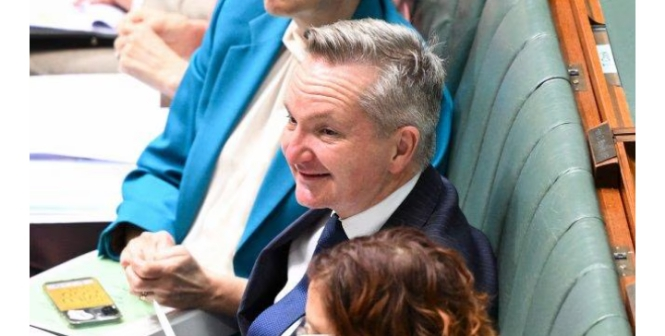
Australia’s Minister for Climate Change and Energy, Chris Bowen, is traveling to Bonn, Germany, this week to participate in the United Nations’ key mid-year climate negotiations, a gathering expected to shape the agenda for the next major global climate summit later this year.
The meetings, known as the UNFCCC Subsidiary Body Sessions (SB 64), run from June 8 to June 18 and serve as the primary preparatory forum ahead of the annual United Nations Climate Change Conference (COP).
Officials, negotiators, scientists, and diplomats from around the world are expected to attend as countries work to advance discussions on emissions reductions, energy transitions, climate finance, adaptation strategies, and international cooperation.
Building Momentum Toward COP31
Bowen’s participation carries additional significance due to his role as President of Negotiations for COP31, which is scheduled to take place in Antalya, Türkiye, in November.
The Bonn meetings are widely viewed as the technical foundation for the larger political negotiations that will occur later this year. Agreements reached in Germany often determine whether major breakthroughs are possible when world leaders gather at the annual climate summit.
Climate diplomats will focus on a range of issues, including renewable energy deployment, energy security, grid modernization, adaptation measures, and long-term strategies for reducing dependence on fossil fuels.
Pacific Priorities Take Center Stage
Australia is expected to use the negotiations to highlight the concerns of Pacific Island nations, many of which face increasing risks from rising sea levels, coastal erosion, and extreme weather events.
For years, Pacific leaders have urged larger economies to accelerate emissions reductions and increase financial support for vulnerable communities.
Australian officials say they will advocate for practical solutions that strengthen energy resilience while supporting economic development throughout the region.
Discussions are also expected to address clean energy investment, battery storage technologies, and efforts to ensure reliable electricity supplies during the transition to lower-emission energy systems.
High-Level Diplomacy
Alongside formal negotiations, Bowen is scheduled to hold bilateral meetings with government ministers and senior officials from several countries, including Canada, the United Kingdom, South Korea, European Union member states, and Pacific partners.
Such meetings often play an important role in building consensus ahead of larger international agreements.
Climate diplomacy increasingly involves balancing environmental goals with economic competitiveness, energy affordability, and national security considerations.
Debate at Home
While the Bonn negotiations are a routine part of the international climate calendar, overseas climate diplomacy remains a subject of debate within Australia.
Supporters argue that active participation in global negotiations is essential for protecting Australia’s interests and influencing international climate policy.
Critics, particularly from opposition parties, have questioned the frequency and cost of international climate travel at a time when Australia continues to face domestic energy challenges, rising electricity costs, and debates over the pace of the clean energy transition.
Government officials maintain that international engagement is necessary to secure investment opportunities, strengthen partnerships, and ensure Australia’s voice is represented in global decision-making.
A Pivotal Year for Climate Policy
The 2026 climate calendar is widely viewed as an important test of global momentum toward emissions reduction goals established under the Paris Agreement.
With geopolitical tensions, economic uncertainty, and energy security concerns influencing policy decisions worldwide, negotiators face increasing pressure to demonstrate measurable progress.
The Bonn meetings are expected to provide an early indication of whether countries can find common ground ahead of COP31 later this year.
For Australia, the gathering represents an opportunity to shape international discussions while reinforcing its growing role in climate diplomacy across the Asia-Pacific region.
Watch World Media will continue following developments from the UN climate negotiations in Bonn and provide updates ahead of COP31 in November.