
Reported by Watch World Media
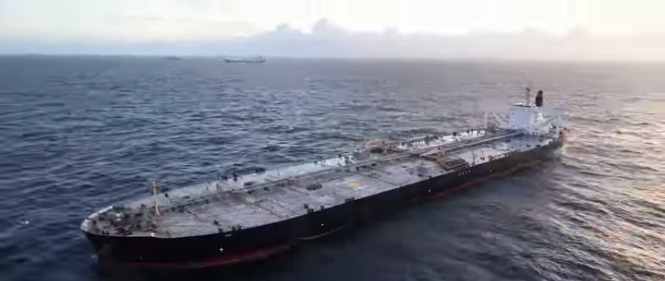
Indian Ocean — U.S. forces conducted a maritime interdiction operation in the Indian Ocean this week, boarding the sanctioned vessel MT DAVINA as part of ongoing efforts to disrupt illicit networks linked to Iran and enforce international sanctions.
According to the U.S. Indo-Pacific Command (INDOPACOM), the operation took place during the night of June 4–5, 2026, and involved a “right-of-visit” boarding of the stateless tanker, also known as Lenore, within international waters.
Vessel Linked to Iran’s Shadow Fleet
U.S. officials say the MT DAVINA has long been associated with Iran’s so-called “shadow fleet” — a network of vessels accused of evading sanctions and transporting Iranian crude oil through deceptive maritime practices.
The vessel was previously sanctioned by the U.S. Treasury Department in October 2024 for allegedly facilitating Iranian oil exports. Reports indicate the tanker is capable of carrying up to two million barrels of crude oil.
INDOPACOM stated the boarding operation was conducted as part of broader efforts to disrupt networks that provide material and financial support to Iran.
“International waters cannot be used as a shield by sanctioned actors,” officials said in a statement, emphasizing that illicit maritime activity will continue to face enforcement action.
Operation Conducted Without Injuries
Images and video released by U.S. forces showed boarding teams approaching and securing the vessel, including helicopter-supported insertion operations.
Officials confirmed that the interdiction was completed without injuries to U.S. personnel or crew members aboard the tanker.
No details were immediately released regarding potential seizures, detentions, or whether contraband materials were discovered during the operation.
Growing Maritime Enforcement Campaign
The boarding comes amid an intensified maritime enforcement campaign by the Trump administration targeting Iran-linked shipping operations across the Indian Ocean and surrounding regions.
U.S. officials have increasingly focused on vessels accused of:
- Disabling tracking systems,
- Changing names or registry information,
- Conducting ship-to-ship oil transfers,
- And helping Iran bypass international sanctions.
The MT DAVINA reportedly engaged in several of these practices, according to prior sanctions reports.
Strategic Implications
The operation reflects Washington’s broader strategy of applying economic and operational pressure on Iran through sanctions enforcement and maritime security operations.
Analysts note that increased interdictions in key shipping lanes could further escalate tensions in the region, particularly following months of heightened instability involving Gulf shipping routes and energy infrastructure.
For the United States, officials say the message is clear: sanctioned actors operating in international waters remain subject to scrutiny and enforcement actions.
Continuing Developments
INDOPACOM has not announced any follow-up operations related to the interdiction, though officials say efforts to monitor and disrupt illicit maritime activity will continue across the region.
Videos and official imagery from the operation have since circulated widely across military and social media channels.
Reporting by Watch World Media.
Watch World Media will continue bringing updates on global security operations, international conflicts, and maritime enforcement developments.