
Reported by Watch World Media
MIAMI, FLORIDA — has confirmed that Joint Task Force Southern Spear conducted a lethal strike on a vessel allegedly linked to narco-trafficking operations in the Eastern Pacific Ocean on June 3, 2026.
According to SOUTHCOM officials, the operation targeted a boat believed to be associated with organizations designated by the United States as terrorist-linked criminal groups operating along major narcotics trafficking routes.
Military officials stated that two suspected “narco-terrorists” were killed during the strike. No U.S. personnel were reported injured.
Official Statement From SOUTHCOM
The operation was carried out under the direction of SOUTHCOM Commander .
In its official statement, SOUTHCOM said intelligence indicated the vessel was actively participating in narco-trafficking activity while transiting known smuggling corridors in the Eastern Pacific.
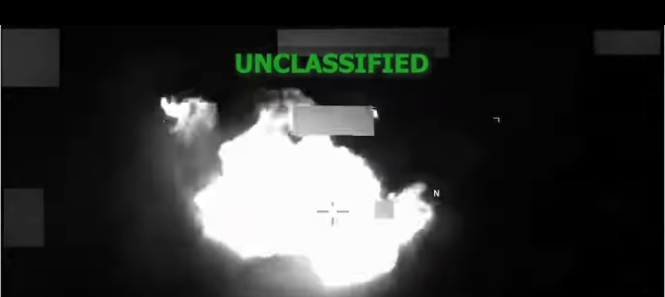
The command later released video footage appearing to show the targeted vessel being struck and engulfed in flames. The footage quickly spread across social media and news platforms following publication.
Part of Operation Southern Spear
The strike forms part of the broader Operation Southern Spear, a counter-narcotics and counterterrorism campaign launched under the Trump administration in late 2025.
The operation has focused heavily on maritime trafficking networks operating in:
- The Eastern Pacific
- The Caribbean Sea
- Key smuggling corridors connected to Latin American criminal organizations
According to U.S. officials, the campaign targets groups accused of combining narcotics trafficking with organized violence, weapons smuggling, and activities linked to designated terrorist organizations.
Administration officials have described the strategy as an effort to apply “maximum pressure” against cartel and narco-terror infrastructure threatening U.S. national security.
Expanding Counter-Narcotics Strategy
Supporters of the operation argue the campaign represents a more aggressive approach to combating international drug trafficking networks responsible for fentanyl, cocaine, and human smuggling flows into the United States.
Military and national security advocates say maritime interdiction efforts have become increasingly important as trafficking organizations adapt to tighter border enforcement measures.
The Trump administration has repeatedly framed narcotics cartels and associated groups as transnational security threats rather than solely criminal enterprises.
Concerns Raised by Critics
The operation has also drawn criticism from some international observers and civil liberties advocates.
Critics have questioned:
- The transparency of target identification procedures
- The legal framework for lethal operations in international waters
- The absence of public judicial review prior to strikes
- The potential risk of mistaken targeting
Human rights organizations have called for greater disclosure regarding intelligence standards and operational accountability in counter-narcotics missions involving lethal force.
Supporters counter that the targeted groups operate as heavily armed criminal-terrorist networks and pose direct threats to regional stability and American communities.
Strategic Focus in the Region
The Eastern Pacific has become a major focus for U.S. maritime security operations due to its importance as a trafficking corridor connecting South America to North American distribution networks.
SOUTHCOM has increasingly relied on coordinated intelligence, surveillance, air assets, and naval operations to disrupt smuggling routes across the region.
Officials say the mission remains ongoing and that additional operations may continue as intelligence identifies further trafficking activity.
Growing National Security Debate
The latest strike reflects the broader evolution of U.S. counter-narcotics policy toward a more militarized framework that blends anti-cartel operations with counterterrorism strategy.
The debate surrounding these operations is expected to continue as policymakers weigh national security priorities against legal and humanitarian concerns tied to overseas military actions.
For now, Operation Southern Spear remains one of the most visible examples of the administration’s hardline approach to transnational criminal organizations operating throughout the Western Hemisphere.
Reporting from Miami, Florida, this is Watch World Media.
Watch World Media will continue bringing coverage on national security operations, counterterrorism developments, and military actions impacting the Americas and global security.